
History of World Lotteries: From the Beginnings to the Present Day
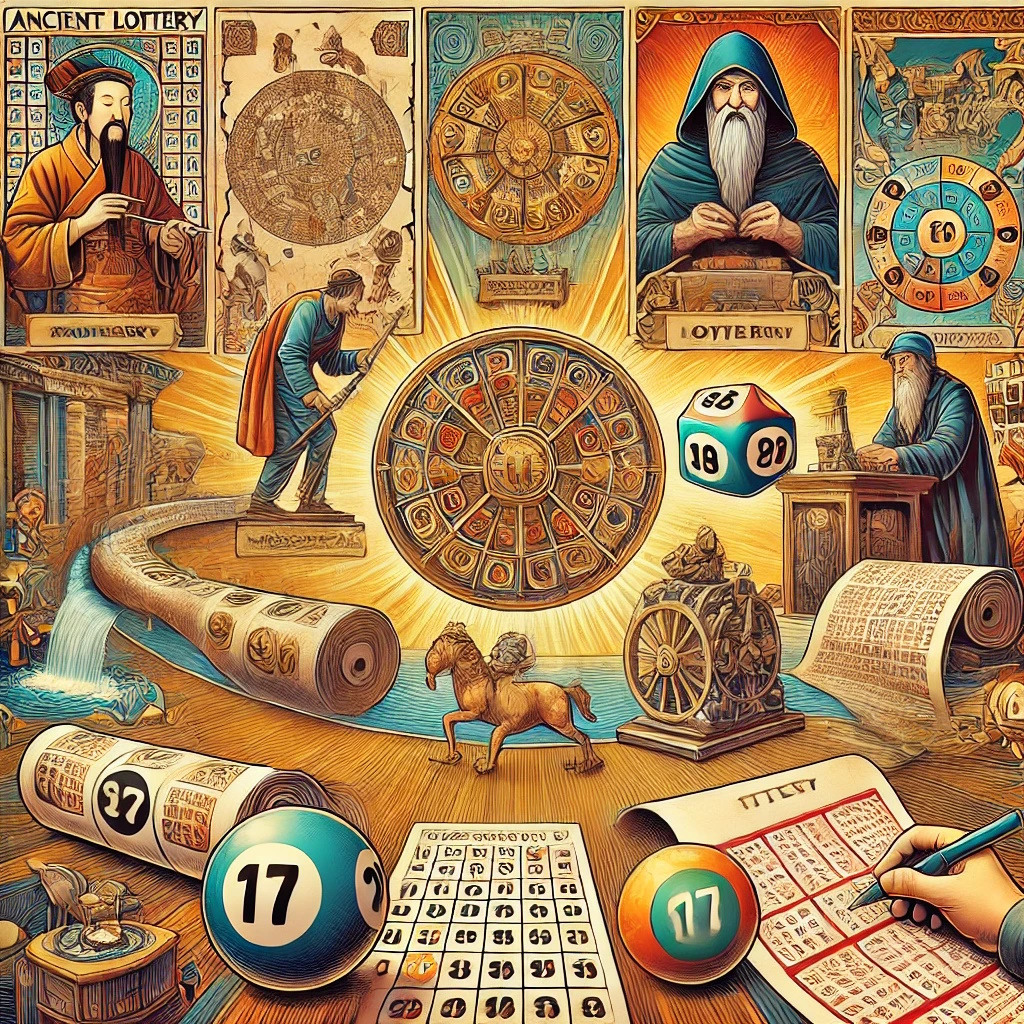
The lottery is one of the oldest and most deeply rooted games of chance in society, with a history that spans centuries and crosses borders. From ancient times to the modern world, lotteries have had multiple forms and purposes, from financing public projects to offering hope and entertainment to millions of people. On this page, we will explore how lotteries have evolved, their impact on culture and society, and some key milestones in their development.
The First Traces of the Lottery in History
The earliest evidence of lotteries dates back to ancient civilizations, long before the modern lottery structures we know today took shape. Here's a look at the earliest examples:
Ancient China (205-187 BC):
The oldest records of lottery-like games of chance come from China's Han Dynasty. It is believed that the proceeds from these games financed major projects, including the world-famous Great Wall of China.
The game called "Keno" is an ancient form of Chinese lottery and is considered the forerunner of modern lotteries. Roman Empire (1st century BC):
The Romans also used lottery systems, often in the form of public games conducted to finance infrastructure works, such as aqueducts, roads and buildings.
Emperor Augustus Caesar organized lotteries to raise funds for repairs to the city of Rome. Prizes were often valuables rather than money.
Lotteries in Europe during the Middle Ages:
In medieval Europe, lotteries began to be used to raise funds for charitable works, such as the construction of churches and bridges.
One of the oldest records of a European lottery is found in the city of Bruges (Belgium), in 1446, organized to help poor families.
Modern Lottery Takes Shape
The modern concept of the lottery began to take shape in the 15th and 16th centuries, when the first state-regulated lotteries emerged:
Lotteries in Italy (XVI Century):
In 1530, a public lottery was established in Florence, Italy, called "La Lotto de Firenze". This game soon spread to other regions and countries.
In 1567, Queen Elizabeth I of England organized England's first state lottery to raise funds to improve trade and strengthen the country's ports. Tickets included monetary prizes, luxury goods and prizes in kind.
Lotteries in Colonial America:
Lotteries were introduced by European settlers in North America and became a way to raise funds for schools, churches, libraries and public projects.
Prestigious universities such as Harvard, Yale and Princeton were partially funded by lotteries.Lotteries in the 19th Century and Legalization.
The 19th century witnessed the expansion and regulation of lotteries. As they grew, they also faced criticism due to problems of corruption and abuse, which led to temporary bans in some places:
Prohibition and Regulation:
In some countries, lotteries were associated with fraud and dishonest practices, which led to their prohibition during certain periods. Nevertheless, their popularity remained latent and they were eventually reintroduced with strict regulations.
France banned lotteries in the 19th century, but they returned in the first half of the 20th century under state control.
Modern State Lotteries:
In the 20th century, many nations chose to establish state lotteries for charitable purposes or to raise funds for public services.
In the United States, the first modern lottery was established in New Hampshire in 1964.
The 21st Century and Global Lotteries
Modern lotteries have evolved significantly thanks to technological advances. Here are some notable changes:
Online Lotteries:
The Internet era has enabled the creation of online lotteries, giving players the possibility to participate from anywhere in the world.
Online lottery sites have made the games more accessible and secure, which has increased overall participation.
Large Scale International Lotteries:
Joods such as EuroMillions, Powerball and Mega Millions have attracted global attention with multi-million dollar jackpots.
These international lotteries have captured the public imagination with stories of people winning unimaginable sums.
The Impact of Lotteries on Society
Lotteries are not just a form of entertainment, but have had a profound impact on society:
Financing of Public Projects:
Revenues generated by lotteries are often used for infrastructure, health, education and social welfare projects.
In some countries, a portion of the proceeds is used for charitable causes or to support disadvantaged communities.
Controversies and Criticisms:
Despite their benefits, lotteries are not without controversy. Concerns have been raised about gambling addiction, fairness and lack of transparency in prize distribution.
Hope and Culture:
For many, lotteries symbolize a life-changing opportunity, a dream of achieving a new reality with a single ticket.
In popular culture, lotteries appear in movies, books and songs, reflecting both their promise and their challenges.
The history of lotteries is a reflection of the history of humanity: a desire to improve society, to take risks for a better future, and sometimes to face ethical challenges. From its origins in ancient China to the online platforms of the 21st century, lotteries have evolved and will continue to be a fascinating and controversial topic.
Advertisement
Other Interesting Pages!
History of World Lotteries: From the Beginnings to the Present Day
Bet Big with the U.S. Powerball! Discover the Thrill of Winning
Get all the Sweepstakes

Advertisement